

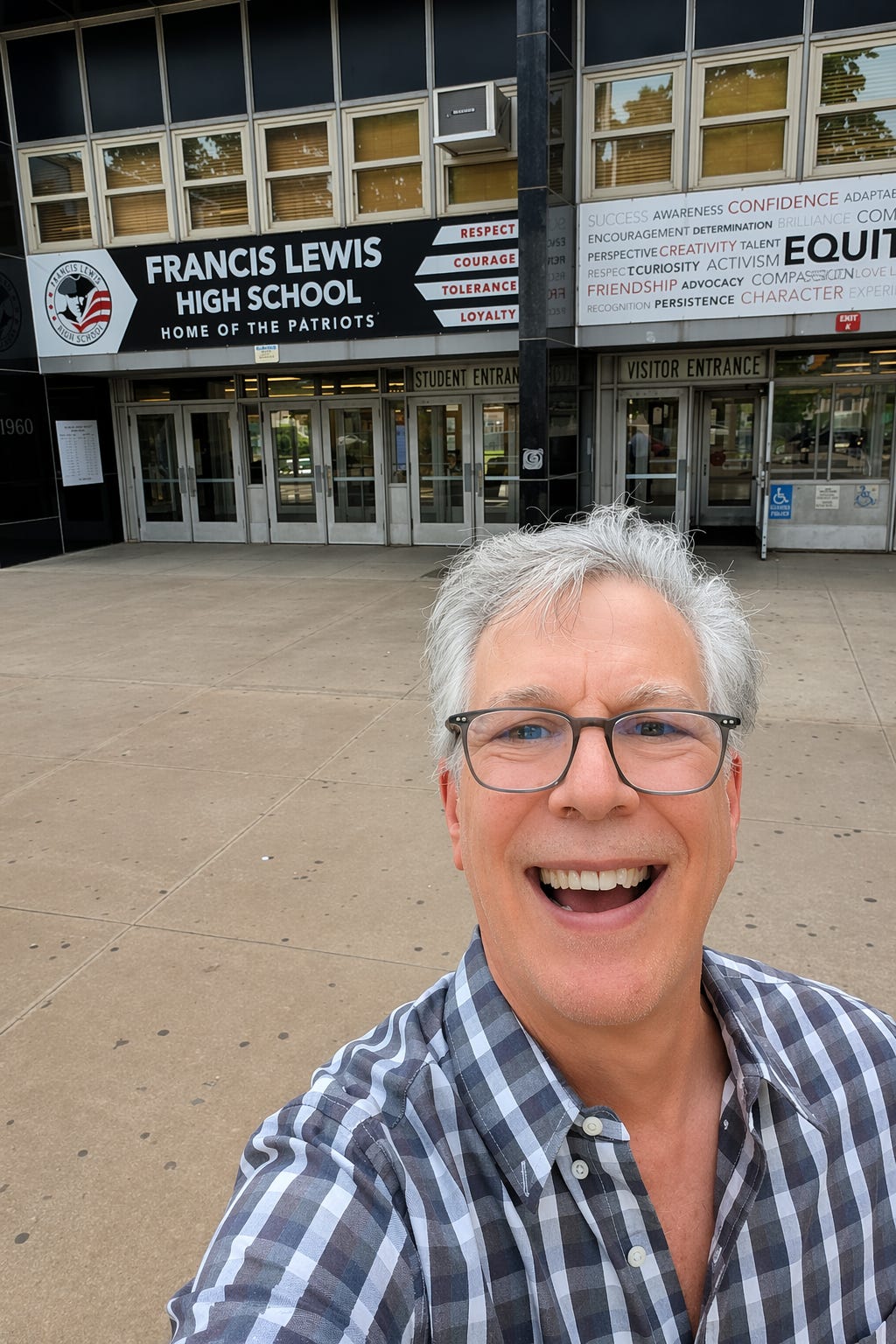
In the 1970s, I was a pretty typical kid in a quiet neighborhood in Flushing, Queens. I went to Francis Lewis High School. At the time, New York City was going through a tough financial period, but Francis Lewis—situated in District 26, historically one of the city’s best school districts—was still considered a solid school, in the upper echelon of local programs alongside feeder schools like PS 162 and IS 74.
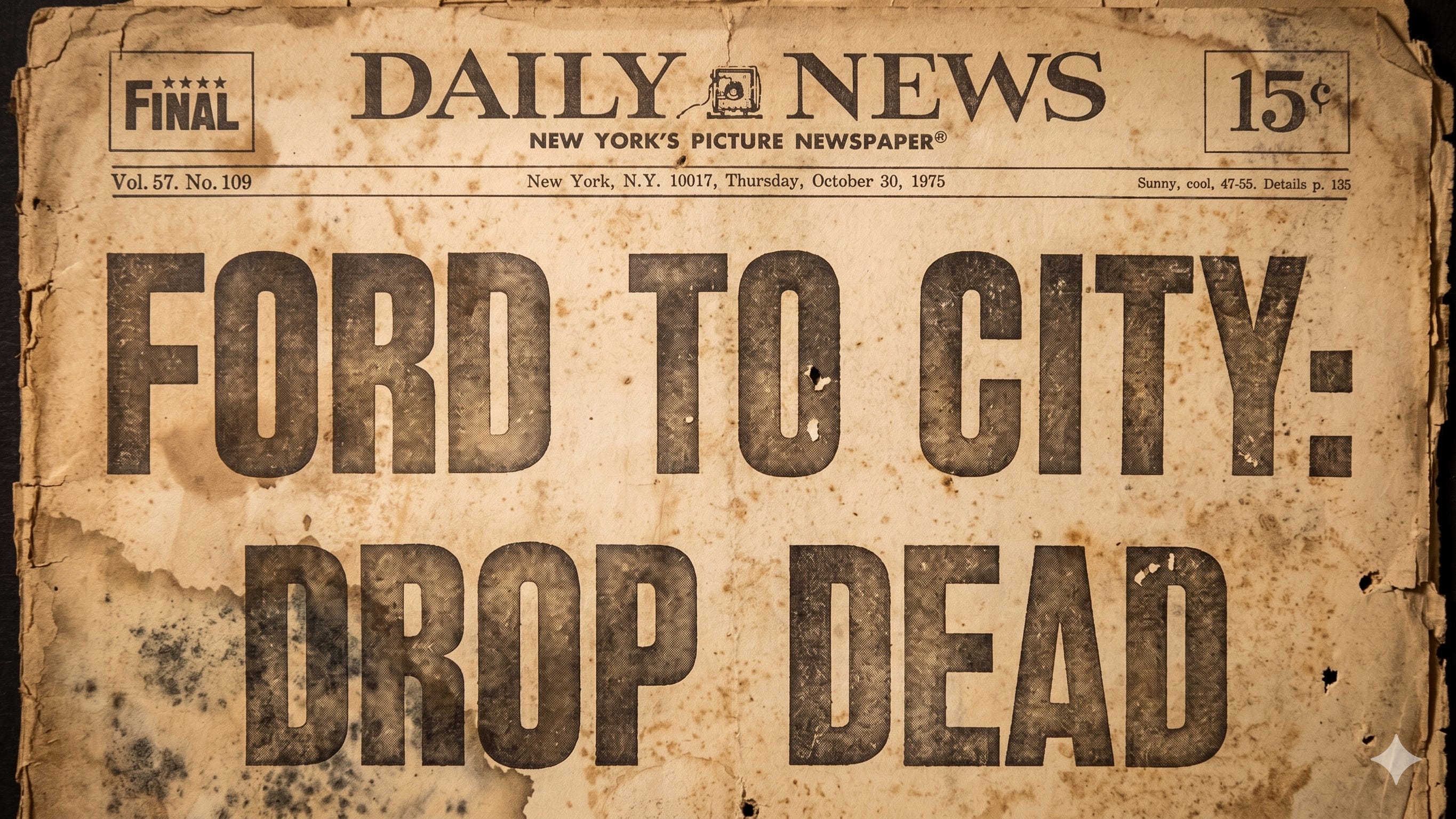
If you weren’t a troublemaker and didn’t need special services, the school was accommodating enough. I was an A-minus/B-plus student. I didn’t cause outward trouble, but I wasn’t exactly pushing myself to excel, either. I had friends, but many of the people I knew weren’t high achievers in the striving sense. Most of us were literally “high.” Striving for academic excellence simply wasn’t a big part of my culture.
Decades later, in the 2010s, I watched my daughter go through her college decision-making process. It couldn’t have been more different from my own experience.
Growing up, the expectation from my family wasn’t that I would attend an Ivy League school or that I needed serious college placement counseling. In fact, I didn’t put much thought into what college would be like. I just knew I would go—I was a New York kid, and the State University (SUNY) system was very good. My brother went, and eventually, I did too. But my path wasn’t part of some grand, well-thought-out plan. The folks at Francis Lewis didn’t do much to push me, either; I stayed in Advanced Placement and honors classes, maintained my B+, and coasted.
This was my “unexceptionalism” of the era.
Middle-Class Land and the Queens Music Scene
Sitting here 49 years after my graduation, I don’t feel bad about how I handled those years. In retrospect, maybe I might have done something different, but my life took other turns and evolved over time. The truth is, I wasn’t ready to deeply consider my future back then, and maybe that wasn’t necessarily a bad thing.
There was a deeper context to my quiet coasting. My dad died when I was 13, and my mother raised my brother, my sister, and me as a single mom. We lived about a mile away from the high school, and we were doing okay in middle-class land. I worked jobs after school. My peers and I didn’t constantly strive for more because we were content with what we had: each other.
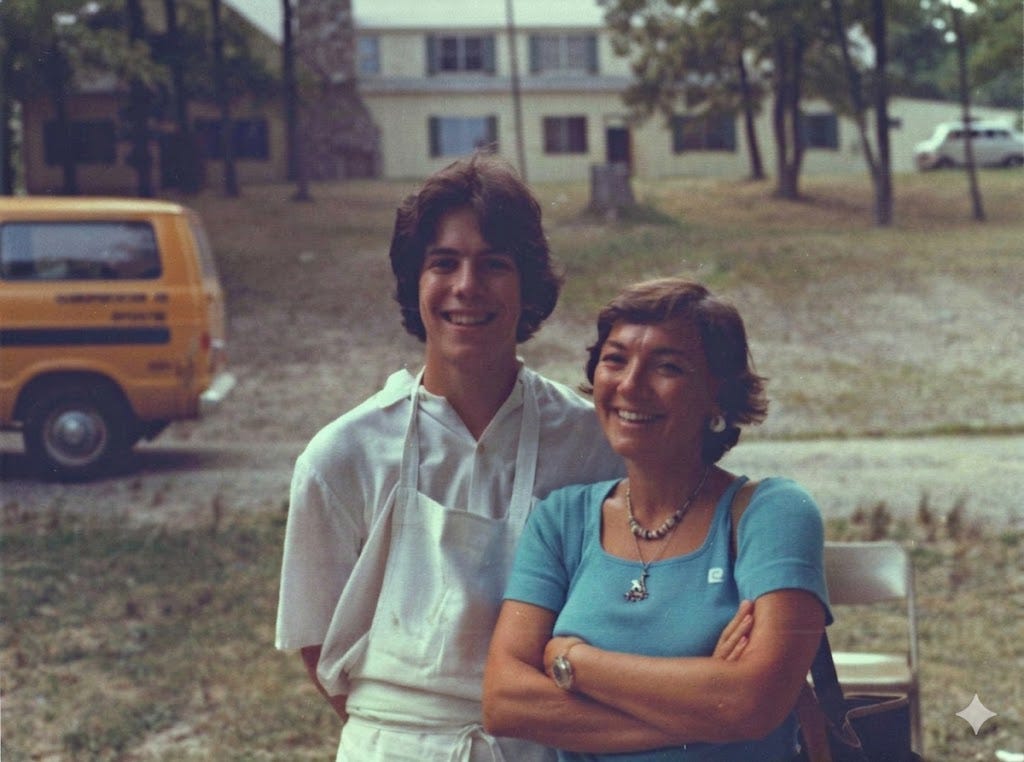
And, for me, there was music.
I was very into the local music scene, playing guitar in bands and focusing my energy there. New York City offered an incredible availability of world-class artists, and we could easily hop on a bus or the subway to go see them. That was our life and what really motivated me.
The Shift from “Okayness” to Exceptional
Fast forward 49 years to last night.
I returned to Francis Lewis High School. While it isn’t technically a magnet school, it has become a highly sought-after place. At least 85% of the students are from the neighborhood and entitled to go there, but it is a school that families across Queens actively want their kids to attend. The mediocrity and “okayness” of the 1970s have evolved into something genuinely impressive.
I haven’t been part of the alumni network or school activities over the years. However, I am connected to a few classmates who have championed the school and found ways to contribute back. They knew that if they could get me to visit, I would be impressed.
They were right.
Physically, the building still heavily resembles the place I remembered from the 1970s. Built in 1960, it retains its generic, unremarkable façade. But the moment I walked inside, it felt vibrant and growing, with an obvious sense of institutional pride.
We met with the principal, Nidhi Babbar—a dedicated educator who came up through the ranks as a teacher and assistant principal, chose to stay, and lives right in the neighborhood. We also met with Chris Power, who leads an in-house business program. Under his direction, the school’s business team recently took third place nationally in the 2026 National Personal Finance Challenge, an incredible feat for a public school competing against the best in the country.
While there, we attended an award ceremony. These weren’t participation trophies; they were genuine recognitions for hundreds of students who are interested in working hard, doing better, and getting somewhere in this world.
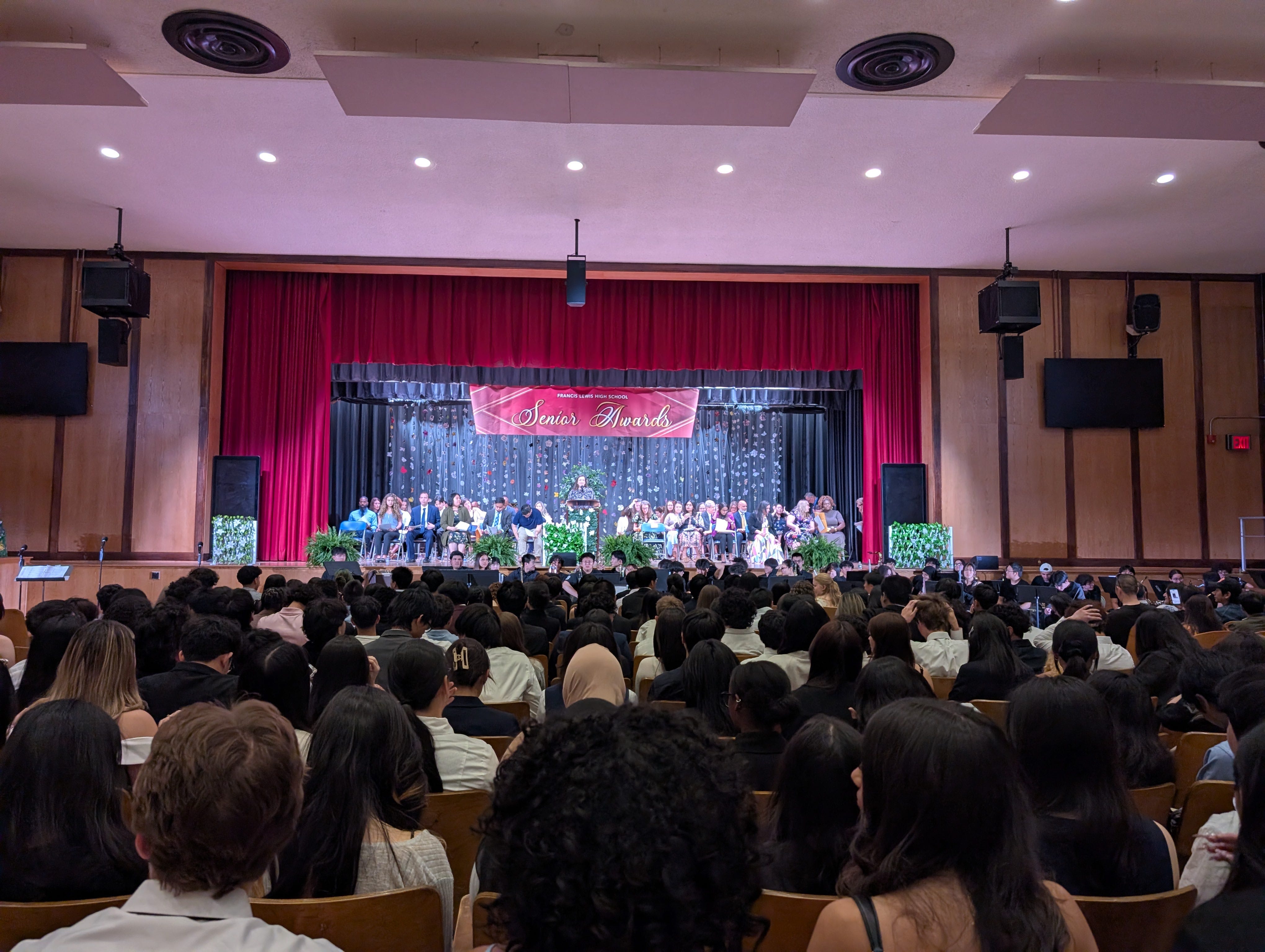
We live in a complicated time, but walking those halls, it was hard not to feel a sense of hope. Through creative funding and coordination, they’ve built a beautiful new annex, have another on the way, and are replenishing the athletic fields. There is a level of pride there that I simply didn’t experience back in my day.
The student body remains beautifully diverse. When I attended, the local neighborhoods were largely Jewish, Irish, Italian, and Greek, along with Black kids who were bused in. Today, the multiculturalism of this North Queens area is even more pronounced and energizing. These kids want to be there, they recognize the potential of hard work, and they have a staff that actively encourages and promotes them.
The Blue Bay Diner and Shared Experience
I walked away with a real appreciation for how Francis Lewis has nurtured its growth and vision for the future. It exceeded my own experience, and I’m glad to see it.
I also walked away glad to have reconnected with the folks who brought me there. My Class of ’77 classmates—Dino Kos, Andrea Shapiro Davis, Lou Goldberg, Ron Glick, and Brad Rothbaum—were probably a bit more remarkable than me during our actual tenure at the school, and they have done a lot to re-energize our class’s collaboration with Francis Lewis.
With the exception of David Newman, who has been my friend since I was eight years old, through elementary, middle, and high school, this alumni crew is one I was only peripherally connected to back in the day. They were “friend-adjacent” rather than my core circle.
But after our visit to the school, we all joined together at the Blue Bay Diner—a classic Greek diner hangout just three blocks from the house where I grew up. Sitting there, even though I didn’t share the lifelong, tight-knit friendships that some of the crew have maintained with each other, there was an undeniable sense of shared experience and camaraderie that connected us all.
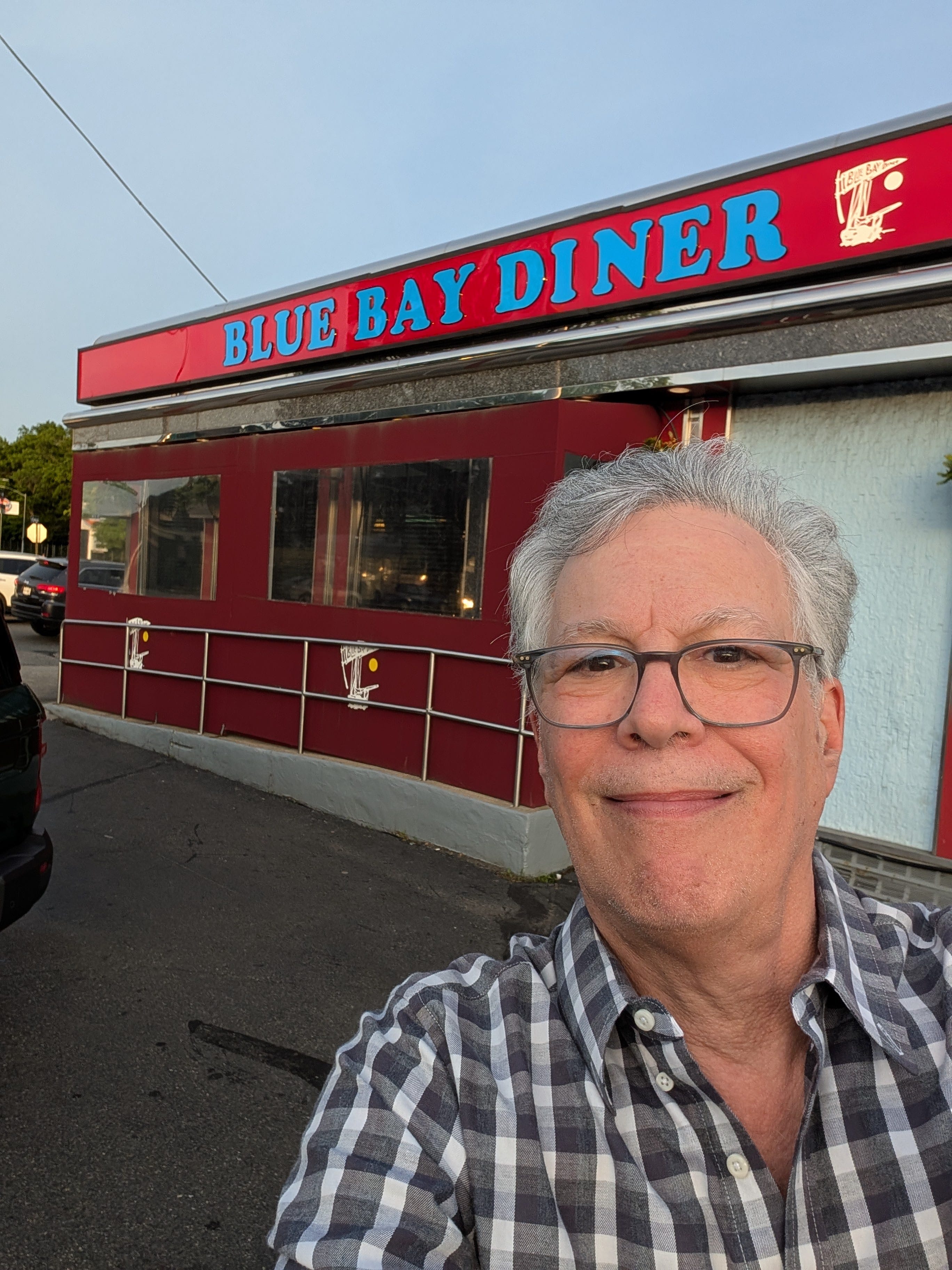
In spite of all the years and time in between, there is something to be said for that kind of connection, rooted in the place where we all started.
What a lovely piece, Kenny! I didn’t know you were a professional writer like your wife!
you look well, my friend. :)